Send one request and you're done looking
Can a heat pump keep up in an Idaho winter
A heat pump pulling heat out of cold Idaho air sounds like it shouldn't work, and below a certain temperature it needs backup to keep your house warm. Whether yours is sized and set up right for the winters here is a fair question, and one worth getting a straight answer to. Send the details and let a local contractor who installs these year-round take it from here.
Let a pro reach outA heat pump can keep your Idaho home warm through winter, but on the coldest nights it needs help. As the outdoor temperature drops, the unit has to work harder to pull heat out of the air, and somewhere in the teens or below, most heat pumps lose enough capacity that they can't keep up on their own. That's when a backup heat source has to take over to carry the load. Most homes here already heat with gas, so if your system is paired with a gas furnace as backup, that switch should happen on its own and you won't notice much change inside. If your heat pump is the only source of heat, or the backup isn't sized right for how cold it gets where you live, that's when rooms stay cold or the system runs nonstop trying to catch up. Whether your setup is built for that matters more than the heat pump itself.




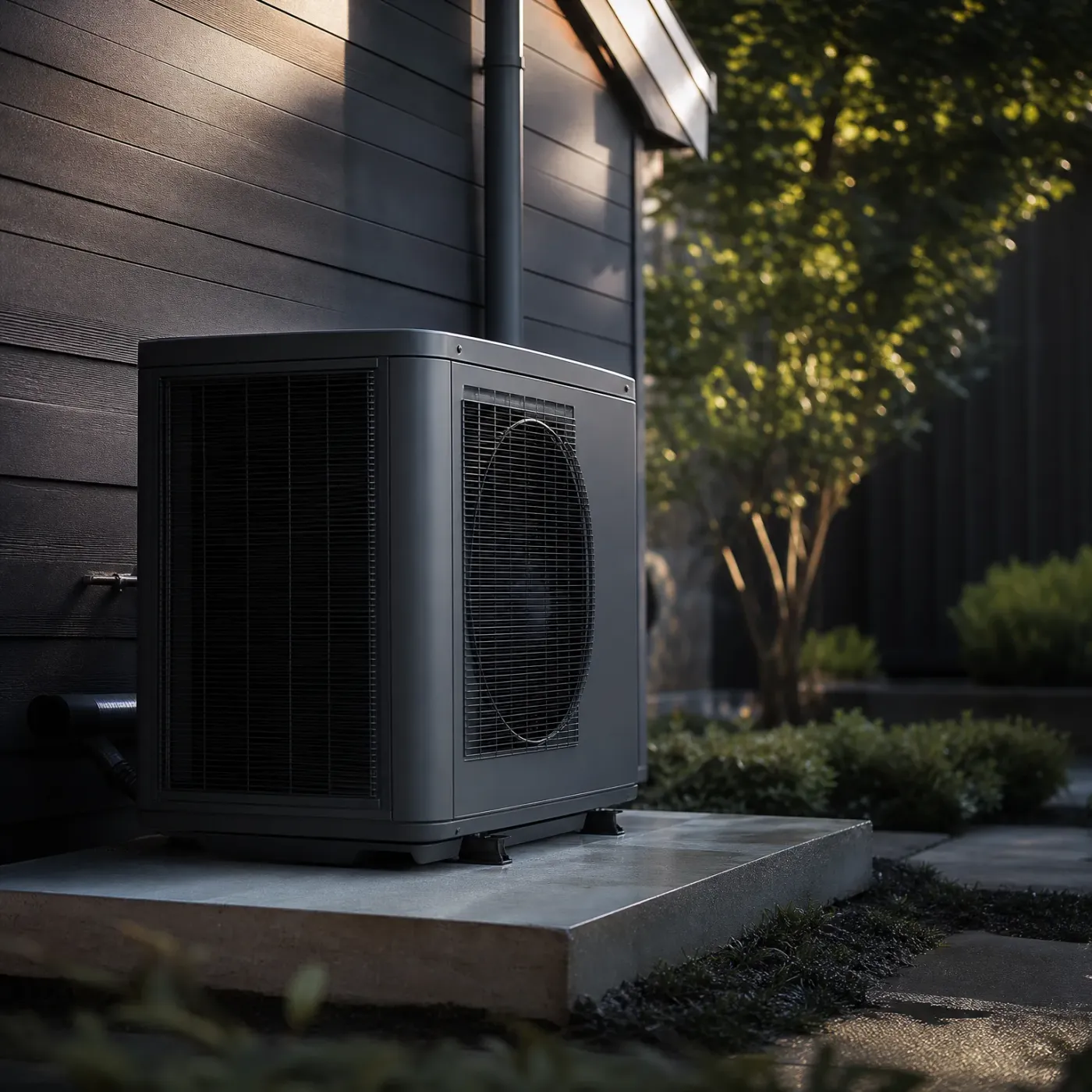
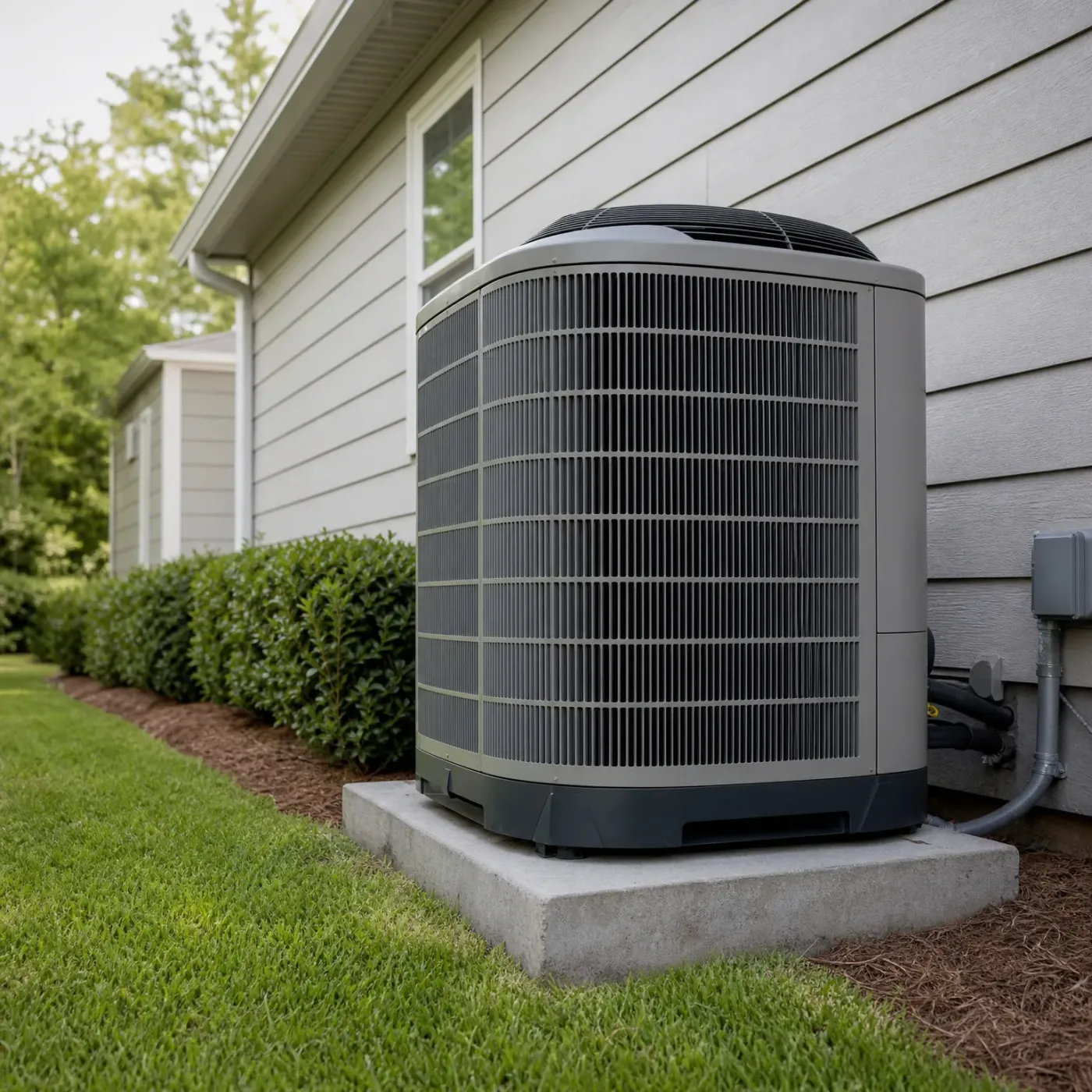
A heat pump doesn't make heat the way a furnace does. It moves it, pulling warmth out of the outdoor air and pumping it inside, using a compressor and refrigerant instead of a flame. That works fine down to a point. Somewhere in the teens, the air outside doesn't hold enough heat to pull, and the unit alone can't keep up with what the house is losing. That's the balance point, and every system has one. Past it, backup heat takes over, usually electric strips in the air handler, or in homes that already have gas, a furnace wired to pick up where the heat pump leaves off. In freezing weather you may notice the outdoor unit pause and run louder for a few minutes. That's the defrost cycle, clearing frost off the coil so it can keep pulling heat efficiently. None of this should mean a cold house. A properly sized heat pump brings the temperature up a few degrees an hour once it's running, the same as any other system built for your home.
How a heat pump handles the cold
- A heat pump moves heat by compressing refrigerant, so it keeps working as long as there's any warmth left to pull from the outdoor air.
- Most systems carry a balance point somewhere in the teens where the unit can no longer pull enough heat to match what the house is losing.
- Below that balance point, a backup heat source kicks in automatically, usually electric resistance strips mounted in the indoor air handler.
- Since gas is common here, some installs pair the heat pump with a gas furnace instead, switching over to gas once the outdoor air gets too cold.
- The outdoor unit runs a defrost cycle periodically in freezing weather, briefly reversing to melt frost off the coil before it goes back to heating.
- A heat pump sized for your house should recover a few degrees an hour once it's running, not just hold steady at whatever the thermostat is set to.


Heat Pump Alone or With Gas Backup
Heat Pump Alone
- Pulls heat from outside air efficiently down to around freezing, where power here being cheap keeps those months affordable to run.
- Loses capacity as the temperature keeps dropping, so it runs longer and harder to put out the same warmth.
- Below its balance point, usually somewhere in the teens, it can't pull enough heat to match what the house is losing.
- Without a backup source, the house falls behind on the coldest nights and the indoor temperature slides.
- Works fine through the shoulder months on its own, since most of an Idaho winter doesn't hit that low.
Heat Pump Plus Gas Backup
- Switches to the gas furnace once outdoor temperatures drop past the heat pump's balance point.
- Keeps the house warm on the nights the heat pump alone can't, since gas heat doesn't lose capacity in the cold.
- Lets the heat pump handle the milder months and hand off only when it needs to.
- Costs something to install and set up the handoff between the two systems correctly.
- Needs the switchover point set correctly for your house, or the furnace kicks in later than it should and the heat pump struggles first.

The backup kicks in on its own
Below the balance point, a thermostat set up for a heat pump calls for backup heat automatically. If your home heats with gas, that usually means a gas furnace paired with the heat pump, switching on to carry the load the heat pump can't. You don't flip anything. The system reads the outdoor temperature and brings the furnace in when the heat pump alone can't keep up with the house.

Defrost cycles are normal
On cold, damp mornings you might see the outdoor unit pause and steam for a few minutes. That's the defrost cycle clearing frost off the coil, and it's the system working correctly, not failing. During defrost the heat pump briefly runs in reverse to melt the ice, then switches back to heating. If frost builds up and the unit never clears it, that's worth having a contractor look at before the next cold snap.
Power costs 11.83 cents per kilowatt-hour statewide
At that rate, running your heat pump on the cold nights costs less than you'd think, since most homes here heat with gas and only lean on the heat pump's backup for the hardest stretches. Cheap power is what makes a heat pump worth running here at all.
EIA-861 2025 statewide residential average
The compressor pulls refrigerant from the outdoor coil into the system.
Refrigerant draws heat out of the outside air, even when it's cold.
The compressor squeezes that refrigerant until its temperature climbs higher.
Hot refrigerant moves inside and releases heat through the indoor coil.


Finding a pro stops being your job
Only one pro gets your request, so you hear from one company.
Send the form and the search for an installer is over.
You only hire the pro if you want to.
Why does my heat pump switch to backup heat on its own?
You notice the system kicks over to a different sound or the vents start blowing hotter air, and nobody touched the thermostat. It can feel like something went wrong, especially if you're not sure what you're paying for when that happens. You want to know what triggered it and whether it means the heat pump itself is struggling.
The thermostat is tracking outdoor temperature and calling for backup when the heat pump can't keep up on its own
A thermostat set up for a heat pump watches the temperature outside, not just inside your house. Once it drops low enough that the heat pump alone can't pull in enough heat to hit your setpoint, the thermostat calls for backup on top of what the heat pump is already doing. In most Idaho homes that backup is a gas furnace, so the switch isn't a sign of trouble. It's the system doing what it was set up to do. If it's kicking on well above the teens, or running longer than it should once it's on, that points to the heat pump losing capacity it shouldn't be losing yet, which is worth having a local contractor look at.

Summer here doesn't carry much weight in the air. Dew points average 42°F across June, July and August, which is dry by most standards. That matters for a heat pump because the same system cooling your home all summer is what keeps it warm come winter, and dry summer air means the coil and compressor aren't fighting moisture the way they would somewhere humid. Less strain in July can mean more capacity left in reserve for January. If your heat pump is sized for this dry heat, it's one less thing working against it when the temperature drops and it needs everything it has.
NASA POWER T2MDEW county cells weighted by homes
Why does the house feel cold even with the heat pump running
You'll notice it on the coldest mornings first. The vents are blowing, the system is running, but the air coming out feels cool instead of warm, and the thermostat number isn't closing in. Sometimes you'll hear a second unit kick on, a deeper sound than the heat pump, and that's the backup trying to catch up. If the backup isn't wired in right or the heat pump is undersized for your house, that gap doesn't close. The house settles a few degrees below where you set it and stays there through the coldest stretch, which matters most for anyone home all day, especially kids or older family members who feel a cold room faster than the rest of the household does.


Will Your Heat Pump Hold Up
- A heat pump sized and set up right will carry your home through an Idaho winter with gas backup picking up the coldest nights.
- The balance point is the number that decides how much of the winter your heat pump handles alone versus when the furnace has to step in.
- A unit that's undersized, poorly matched, or set up with the wrong backup settings struggles exactly when you need it most.
- A local contractor who services this equipment all season knows which balance point and backup settings fit your house, not just the spec sheet.
- One contractor means one person looking at your actual system instead of a handful of competing quotes guessing at the same thing.
- Whether your current setup is right for your winters is a question worth answering before the next cold snap, not during it.
A heat pump can carry an Idaho home through winter, but only if it's sized right and backed up correctly on the coldest nights. The balance point is what decides how much of the season it handles on its own before the furnace has to take over. Get that number wrong, or leave the backup settings off, and the system struggles right when the temperature drops and you need the heat most.
That's where the install matters more than the brand name on the unit. A contractor who works on heat pumps and furnaces all winter in this area has seen which setups hold their balance point and which ones get overwhelmed by January. They're not reading a spec sheet and guessing. They know what tends to fail in these systems, what backup settings actually match how cold it gets here, and how a unit should be sized for a house like yours rather than a generic one.
Sending one request means one contractor looks at your actual system, not several companies working off the same guesswork and competing for the job. That's someone local, who knows this equipment and these winters, giving you a straight answer instead of a sales pitch.
If your heat pump has struggled on the coldest nights, or you're not sure it's set up right for what's ahead, that's worth sorting out now. Waiting until the next cold snap just means finding out the hard way.
Let someone else find the pro
Your request stays with one local pro.