Tell us about the job
Takes about a minute. No obligation.
Sizing a heat pump in Latah County means settling a question most installers in milder places skip: how much back-up heat the house needs when outdoor temperatures drop hard. Homes in Latah County, ID run heat about ten months a year, from September through June. A heat pump's output falls as the temperature outside does, so the coldest weeks of a long heating season are the weeks the system is working hardest and delivering the least. A contractor has to run a full load calculation against local temperature lows before specifying equipment, because a unit that covers most of the season can still leave the house short on the coldest days.
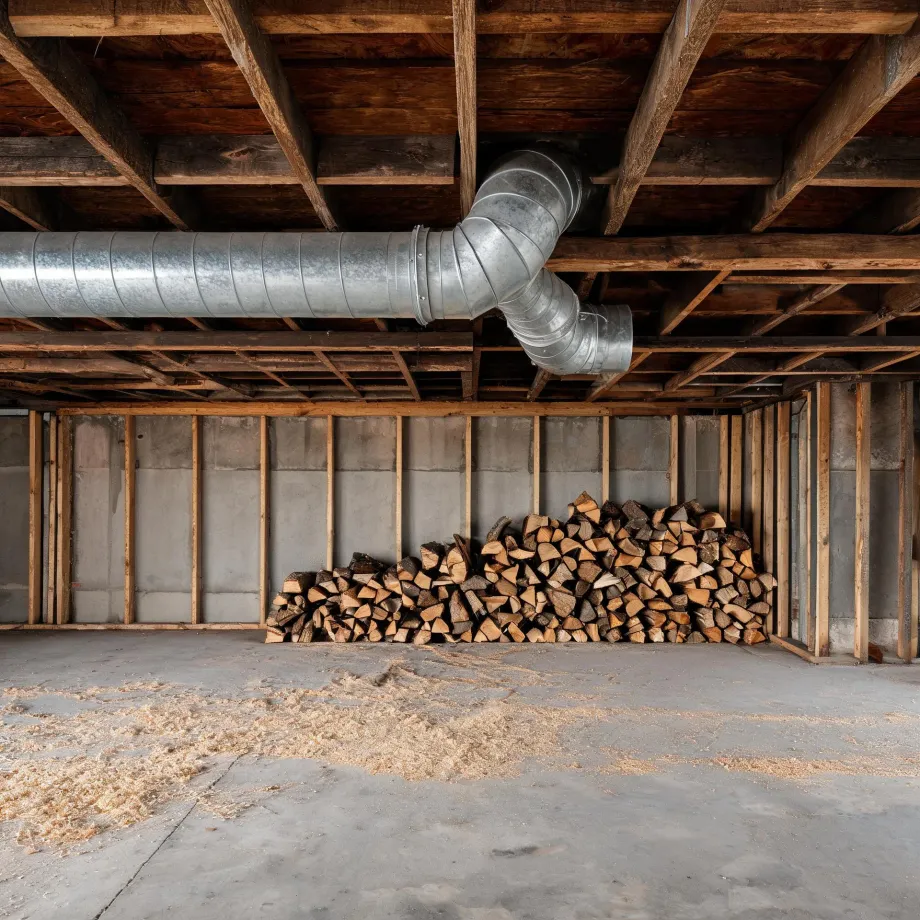
Ductwork sized and sealed for a different era of equipment does not quietly adapt to a heat pump's delivery requirements. A contractor quoting a new installation has to pull registers, check trunk dimensions, and pressure-test before the equipment conversation can begin, because what is in the walls decides whether the existing runs can carry the new system at all. Half the homes in Latah County, Idaho were built in 1980 or earlier (2020-2024 ACS 5-year). That building history shows up directly in the ductwork a contractor finds: older trunk lines, older sealing methods, and branch runs laid out for systems with different static pressure profiles. The electrical service gets the same look, since a heat pump's draw has to be matched against what the panel actually has available.
What a Heat Pump Installation Puts in Your Home
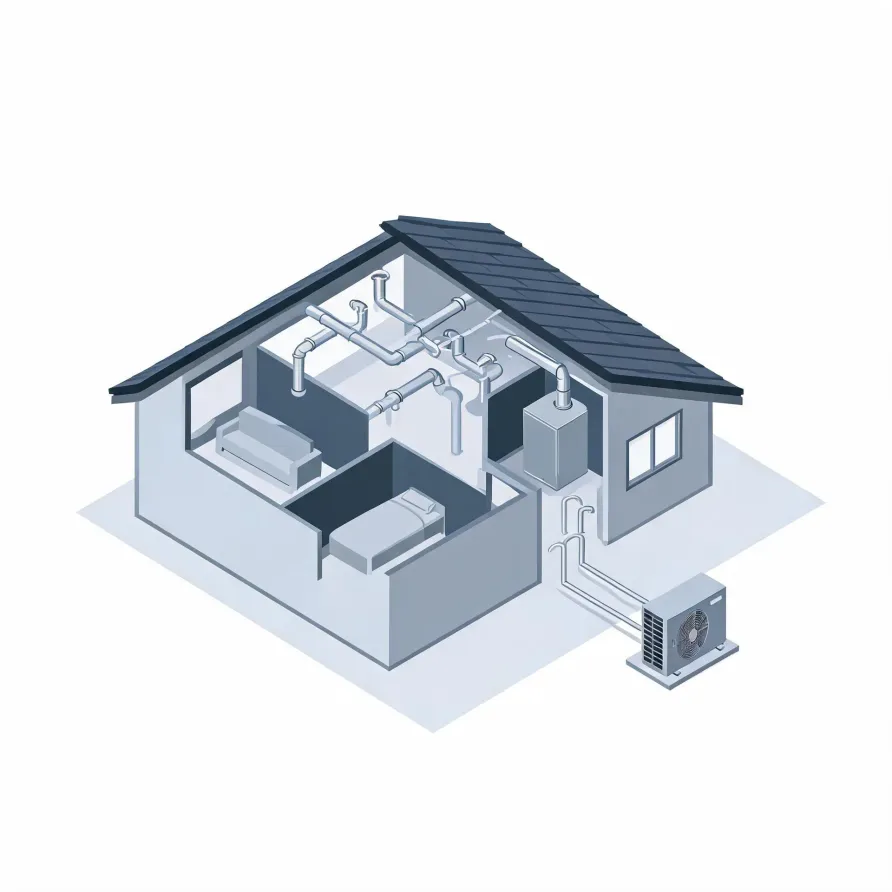
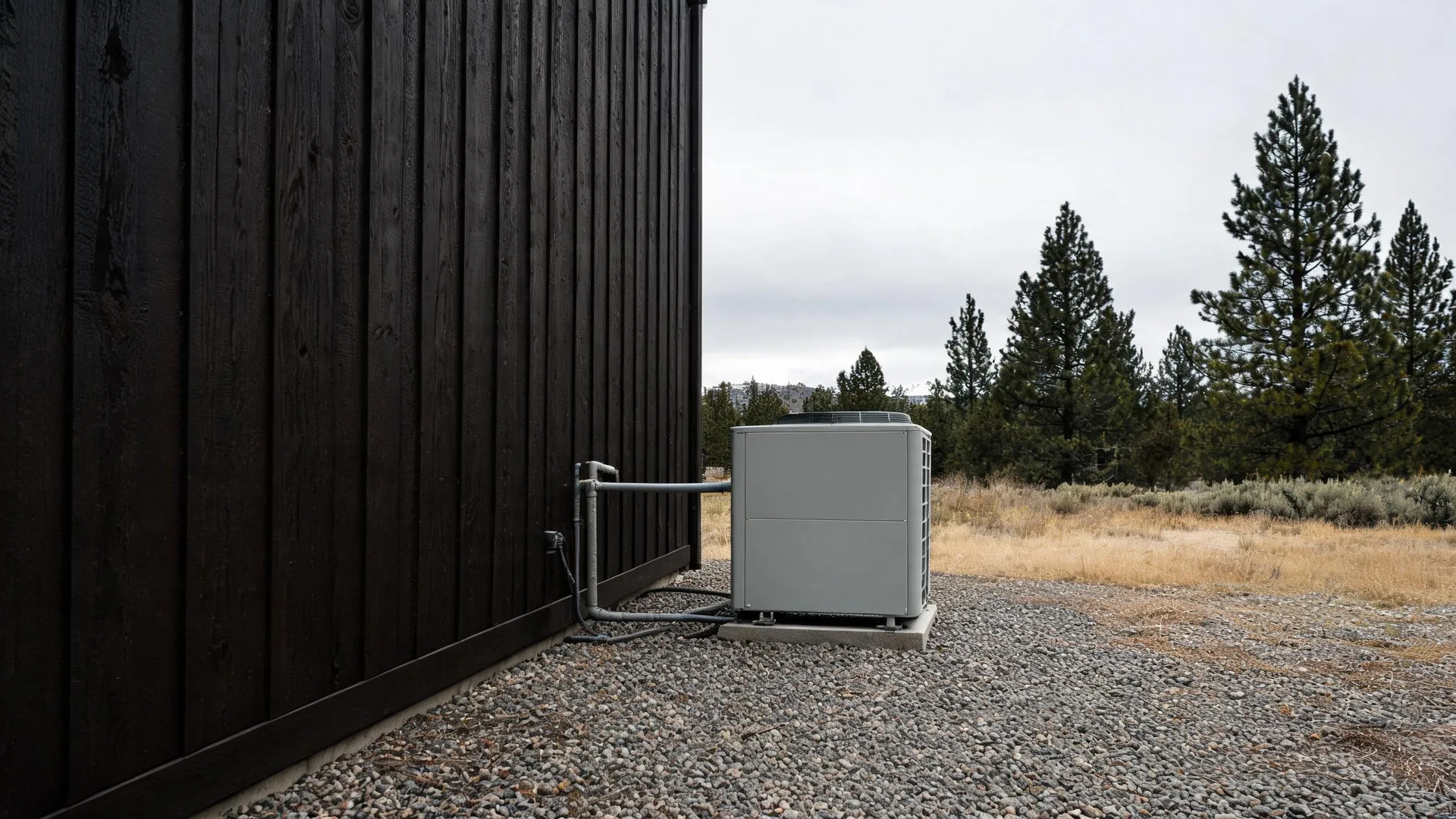
The outdoor unit sits on a pad beside the house and holds the compressor and one set of coils. The indoor air handler mounts inside, usually in a utility room or closet, and moves conditioned air through the home. These two units are the core of what a contractor sets in place.
A refrigerant line set runs between the outdoor and indoor units, connecting them through the wall. A thermostat goes on an interior wall where it reads the home's temperature and tells the system when to run. A condensate drain line also routes out from the air handler to carry away moisture.
The drawing shows a typical layout, and a licensed contractor determines exactly how each piece fits the conditions in your house.
Find a contractor in Latah CountyLatah County, by the numbers
278 severe weather events were recorded in Latah County, Idaho between 2015 and 2024.
NOAA National Centers for Environmental Information, Storm Events Database, bulk CSV export, events 2015-01-01 through 2024-12-31.Half the homes in Latah County, Idaho were built in 1980 or earlier (2020-2024 ACS 5-year).
U.S. Census Bureau, 2020-2024 American Community Survey 5-Year EstimatesLatah County, Idaho holds 17,591 housing units (2020-2024 ACS 5-year).
U.S. Census Bureau, 2020-2024 American Community Survey 5-Year EstimatesOwners occupy 58.7% of the occupied homes in Latah County, Idaho (2020-2024 ACS 5-year).
U.S. Census Bureau, 2020-2024 American Community Survey 5-Year EstimatesRules and Standards Behind Heat Pump Installation in Latah County, Idaho1 sourced rules and standards
Licensing Rules in Latah County, Idaho
Idaho requires a state certificate of competency for heating, ventilation and air conditioning work: it is unlawful to engage in the business, trade or practice without passing the examination and holding the certificate.
Severe Weather Events in Latah County
Weather puts a load on heating and cooling equipment, and that load is specific to where you live. A heat pump sized and installed for Latah County's conditions handles the work that conditions here actually demand.
278 severe weather events, 2015–2024. Source: NOAA National Centers for Environmental Information, Storm Events Database.