Tell us about the job
Takes about a minute. No obligation.
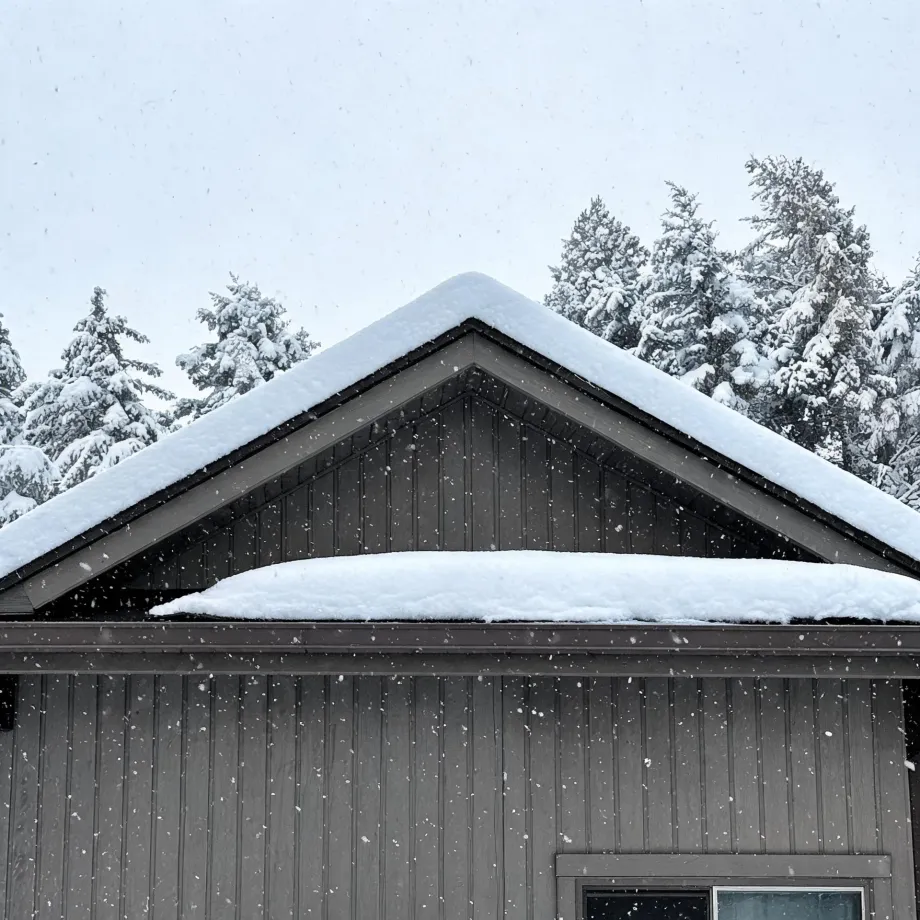
Sizing a heat pump for this county means working out what happens at the cold end of the season, not the average of it. Homes in Twin Falls County, ID run heat about nine months a year, from September through May. A heat pump loses capacity as outdoor temperatures fall, so the gap between what the unit can deliver and what the house needs widens on the hardest days. A contractor has to calculate that gap before picking equipment, because a unit that covers mild winter days will lean heavily on its backup heat strip through the coldest stretches, adding load to components that were not designed to carry it continuously. The backup strip size, the refrigerant charge, and the insulation of the refrigerant lines all follow from that calculation.
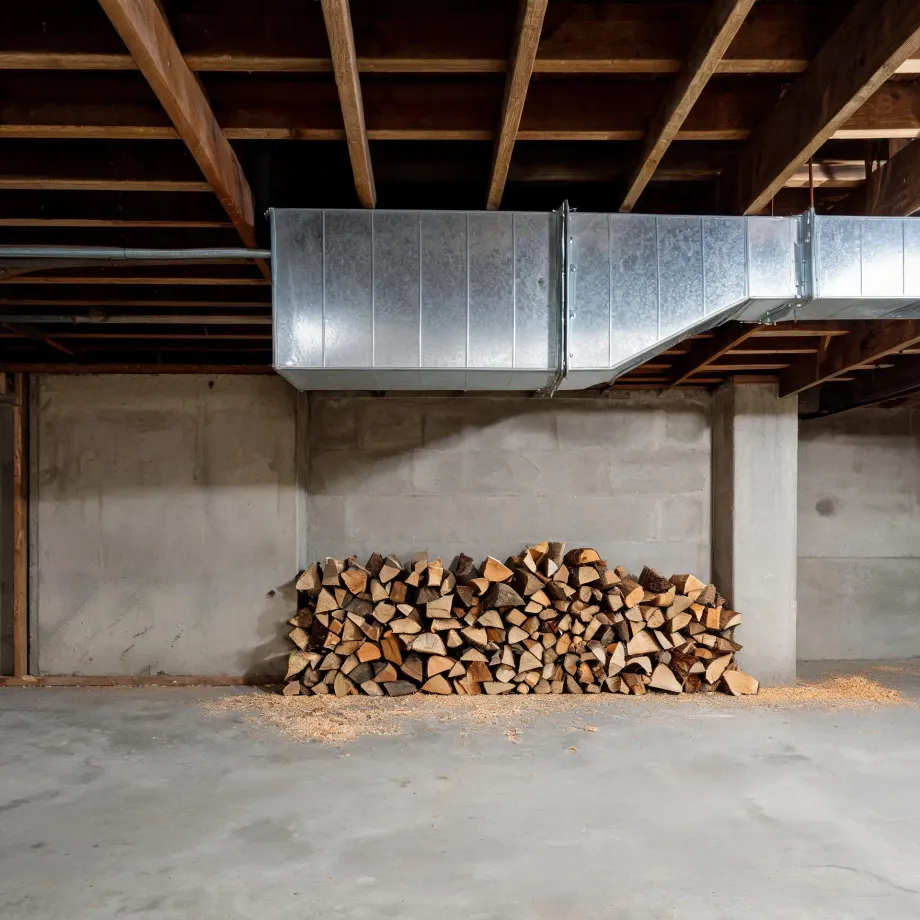
Ductwork sized and routed for an older heating system does not disappear when new equipment arrives. A contractor quoting a heat pump installation here has to look at what those ducts actually do before the equipment choice means anything. Half the homes in Twin Falls County, Idaho were built in 1982 or earlier (2020-2024 ACS 5-year). That puts the existing duct layout at the center of the job. If the runs are too restrictive or the returns too few, the contractor addresses that first. The electrical service gets the same look, since a heat pump draws differently than what the house was wired to run.
What a Heat Pump Installation Puts in Your Home
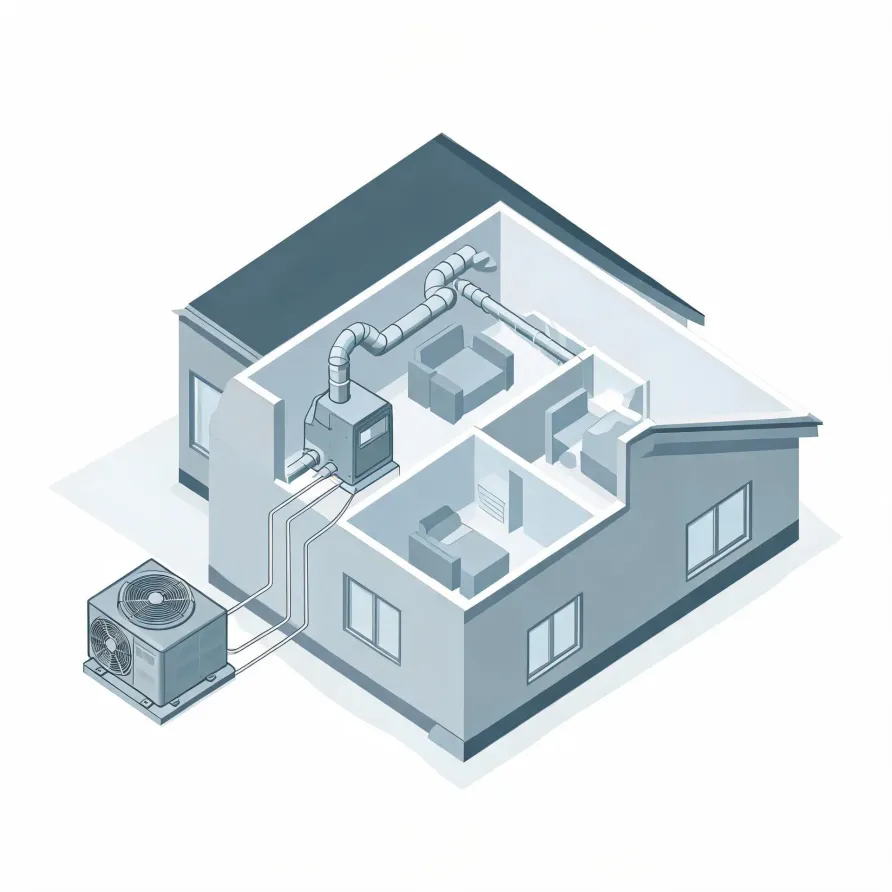
The outdoor unit is the piece most homeowners notice first. It sits on a pad beside the house and holds the compressor and the refrigerant coil that do the system's core work. Inside, an air handler mounts in a utility space, a closet, or an attic, and it moves conditioned air through the home.
A refrigerant line set runs between the two units, typically along an exterior wall, connecting the indoor and outdoor sides into one working system. A thermostat goes on an interior wall where it reads the home's temperature and tells the system when to run.
The drawing shows the general layout of these components, and a licensed contractor determines exactly how each one applies to this particular house.
Find a contractor in Twin Falls CountyTwin Falls County, by the numbers
58 severe weather events were recorded in Twin Falls County, Idaho between 2015 and 2024.
NOAA National Centers for Environmental Information, Storm Events Database, bulk CSV export, events 2015-01-01 through 2024-12-31.Half the homes in Twin Falls County, Idaho were built in 1982 or earlier (2020-2024 ACS 5-year).
U.S. Census Bureau, 2020-2024 American Community Survey 5-Year EstimatesTwin Falls County, Idaho holds 36,429 housing units (2020-2024 ACS 5-year).
U.S. Census Bureau, 2020-2024 American Community Survey 5-Year EstimatesOwners occupy 70.5% of the occupied homes in Twin Falls County, Idaho (2020-2024 ACS 5-year).
U.S. Census Bureau, 2020-2024 American Community Survey 5-Year EstimatesHeat Pump Installation Rules for Twin Falls County, Idaho1 codes, standards, and laws
Licensing Rules for Twin Falls County, Idaho
Idaho requires a state certificate of competency for heating, ventilation and air conditioning work: it is unlawful to engage in the business, trade or practice without passing the examination and holding the certificate.
Severe Weather Events in Twin Falls County
Heat pump performance is shaped by what the climate actually demands of it, and that demand is recorded in the weather. Knowing the local pattern of extreme conditions is part of sizing and installing equipment that holds up here.
58 severe weather events, 2015–2024. Source: NOAA National Centers for Environmental Information, Storm Events Database.