Tell us about the job
Takes about a minute. No obligation.
Sizing a heat pump for this county starts with cold-end capacity, not peak efficiency numbers on a spec sheet. Homes in Teton County, ID run heat about ten months a year, from September through June. At the low end of winter, a heat pump's output drops as outdoor temperatures fall, so the contractor has to calculate where that curve bottoms out against what the house actually loses on the coldest nights. Get that wrong and the backup heat carries a load it was never meant to hold all season. A contractor working an installation here pins down the balance point first, then sizes the primary unit and the backup strip or boiler around it.
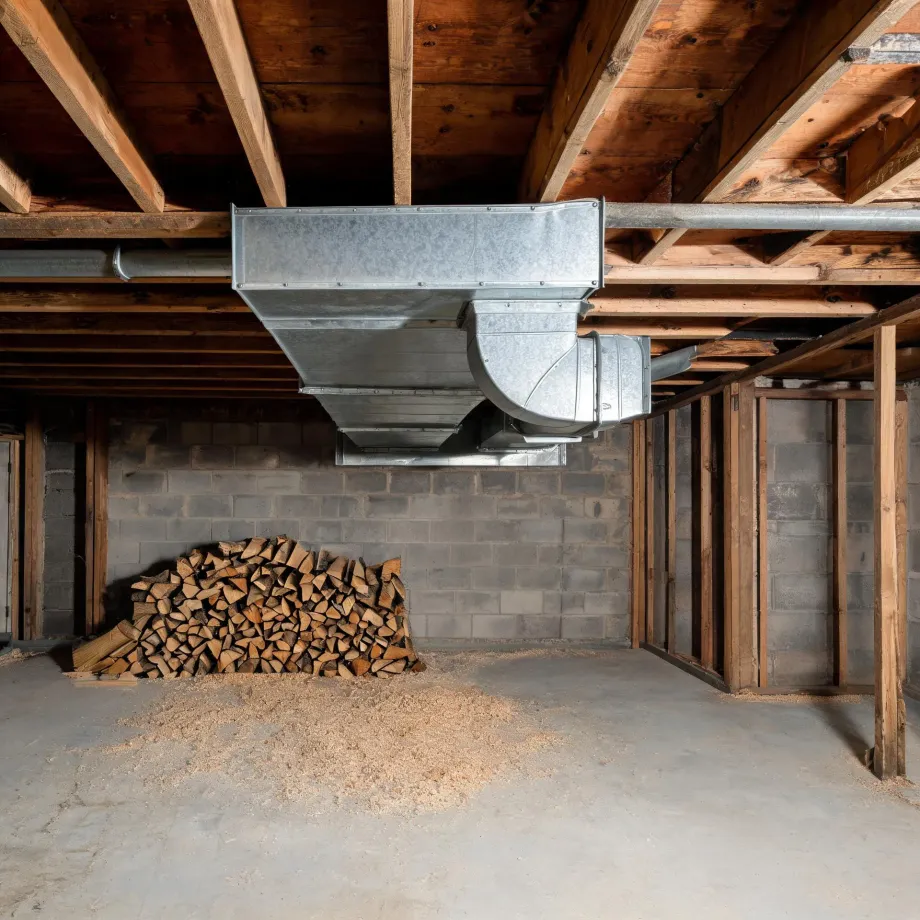
Ductwork laid in for a previous system has specific dimensions, return paths, and static pressure characteristics, and a heat pump does not simply inherit them without a contractor checking whether they match what the new unit needs. Half the homes in Teton County, Idaho were built in 2001 or earlier (2020-2024 ACS 5-year). That spread across the housing stock means a contractor sizing a heat pump here measures and assesses the existing duct system before anything else, because undersized or poorly routed ducts will undercut a correctly specified unit. The electrical service matters too, but in stock of this vintage the ductwork is where the real variables sit.
What a Heat Pump Installation Puts in Your Home
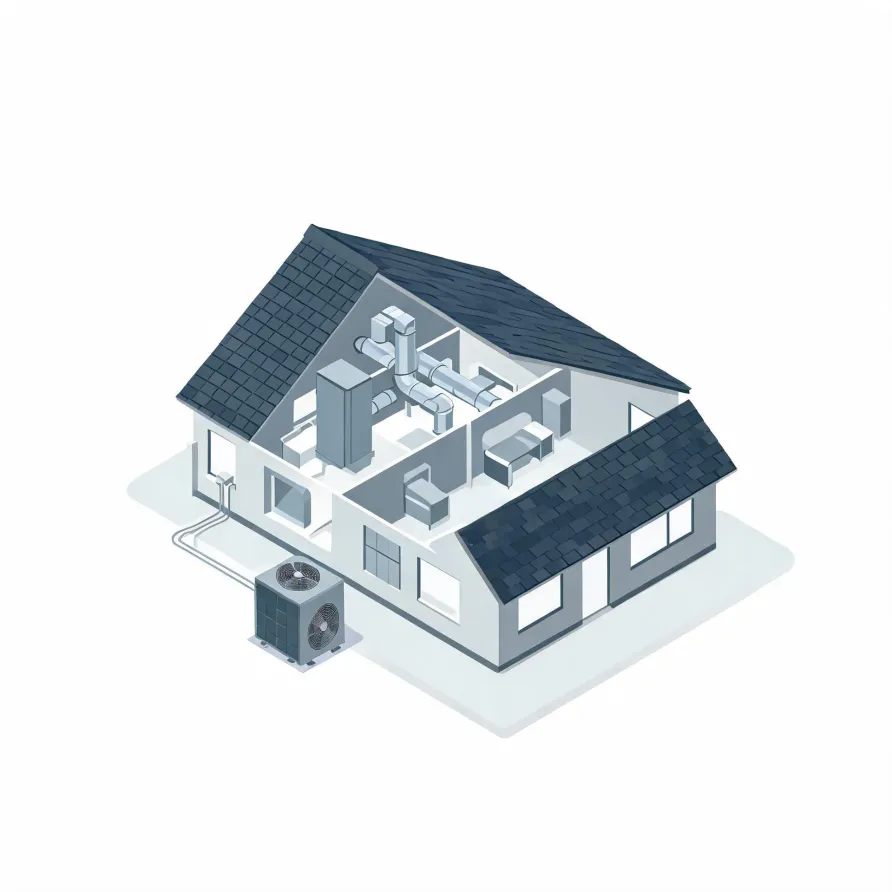
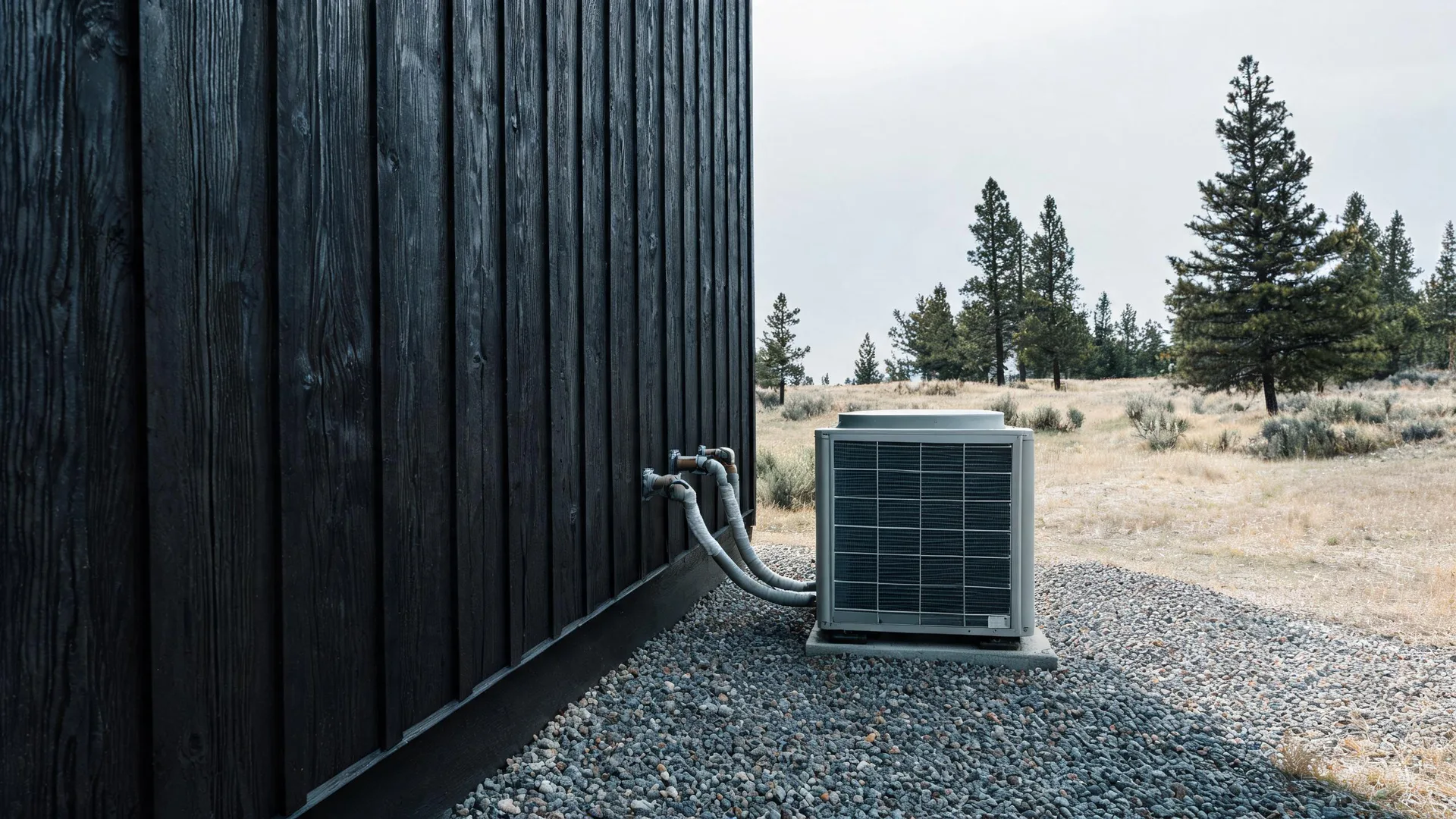
The outdoor unit is the piece most homeowners see first. It sits on a pad beside the house and holds the compressor and the outdoor coil, which together do the core work of moving heat between the refrigerant and the outside air. The indoor air handler mounts inside, usually in a utility closet or a mechanical room, and pushes conditioned air through the home.
A refrigerant line set runs between the two units, carrying refrigerant back and forth through insulated copper tubing. The thermostat, mounted on an interior wall, is what the homeowner touches to set temperatures and, on most modern systems, to switch between heating and cooling modes.
The drawing shows a representative layout, and a licensed contractor determines exactly what the installation involves for your specific house.
Find a contractor in Teton CountyTeton County, Idaho, by the numbers
165 severe weather events were recorded in Teton County, Idaho between 2015 and 2024.
NOAA National Centers for Environmental Information, Storm Events Database, bulk CSV export, events 2015-01-01 through 2024-12-31.Half the homes in Teton County, Idaho were built in 2001 or earlier (2020-2024 ACS 5-year).
U.S. Census Bureau, 2020-2024 American Community Survey 5-Year EstimatesTeton County, Idaho holds 6,481 housing units (2020-2024 ACS 5-year).
U.S. Census Bureau, 2020-2024 American Community Survey 5-Year EstimatesOwners occupy 80.8% of the occupied homes in Teton County, Idaho (2020-2024 ACS 5-year).
U.S. Census Bureau, 2020-2024 American Community Survey 5-Year EstimatesCodes & Standards Governing Heat Pump Installation in Teton County, Idaho1 sourced rules and standards
Contractor Rules in Teton County, Idaho
Idaho requires a state certificate of competency for heating, ventilation and air conditioning work: it is unlawful to engage in the business, trade or practice without passing the examination and holding the certificate.
Severe Weather Events in Teton County
Extreme weather puts a direct load on heating and cooling equipment, and the patterns recorded in this county shape what a heat pump here has to handle year after year. Sizing and installing for local conditions is how a system holds up over time.
165 severe weather events, 2015–2024. Source: NOAA National Centers for Environmental Information, Storm Events Database.