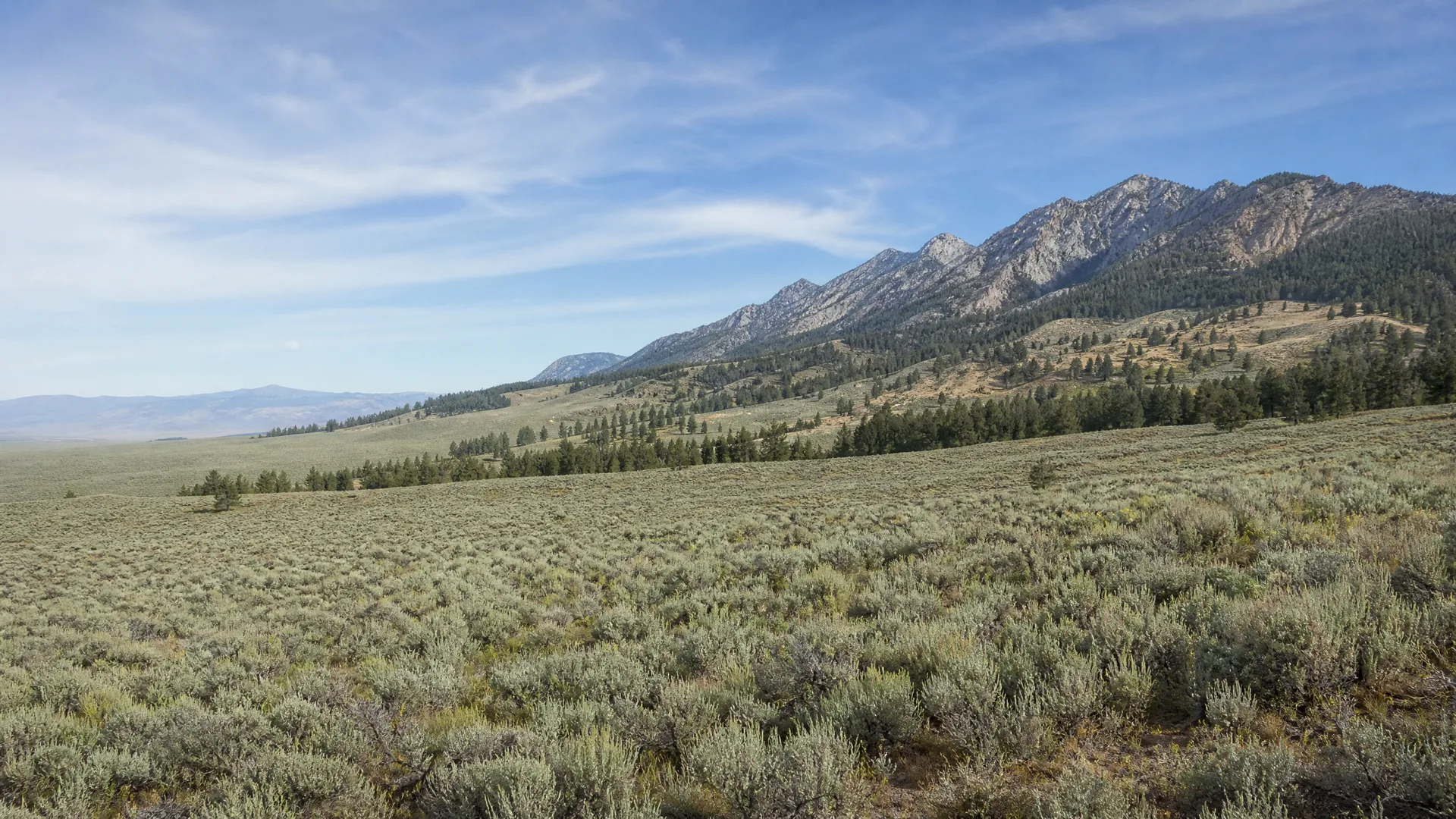
Running clean, pulling its share
A unit kept clear like this can still draw heat out of cold air without a fight. The fins stay open, airflow stays steady, and on a cold Idaho morning it's doing its part before the furnace has to step in.
Send the request and finding a pro stops being your problem.
Hand it offIdaho winters get cold enough that it's a fair question whether a heat pump can keep up on its own, or whether you need something backing it up. Most homes here already heat with gas, so if you're looking at a heat pump, you want to know where it stops pulling its weight before the temperature outside tells you the hard way, on a night when it matters.
A heat pump moves heat from the outside air into your house, and the colder that air gets, the less heat there is to move. Below about 25 to 30 degrees, most units can't pull enough heat to keep the house at temperature, even running constantly. Idaho gets stretches colder than that most winters, which is why heat pumps here almost always get paired with a gas furnace as backup, or sized by someone who knows how low the one you're looking at actually goes before it needs help.




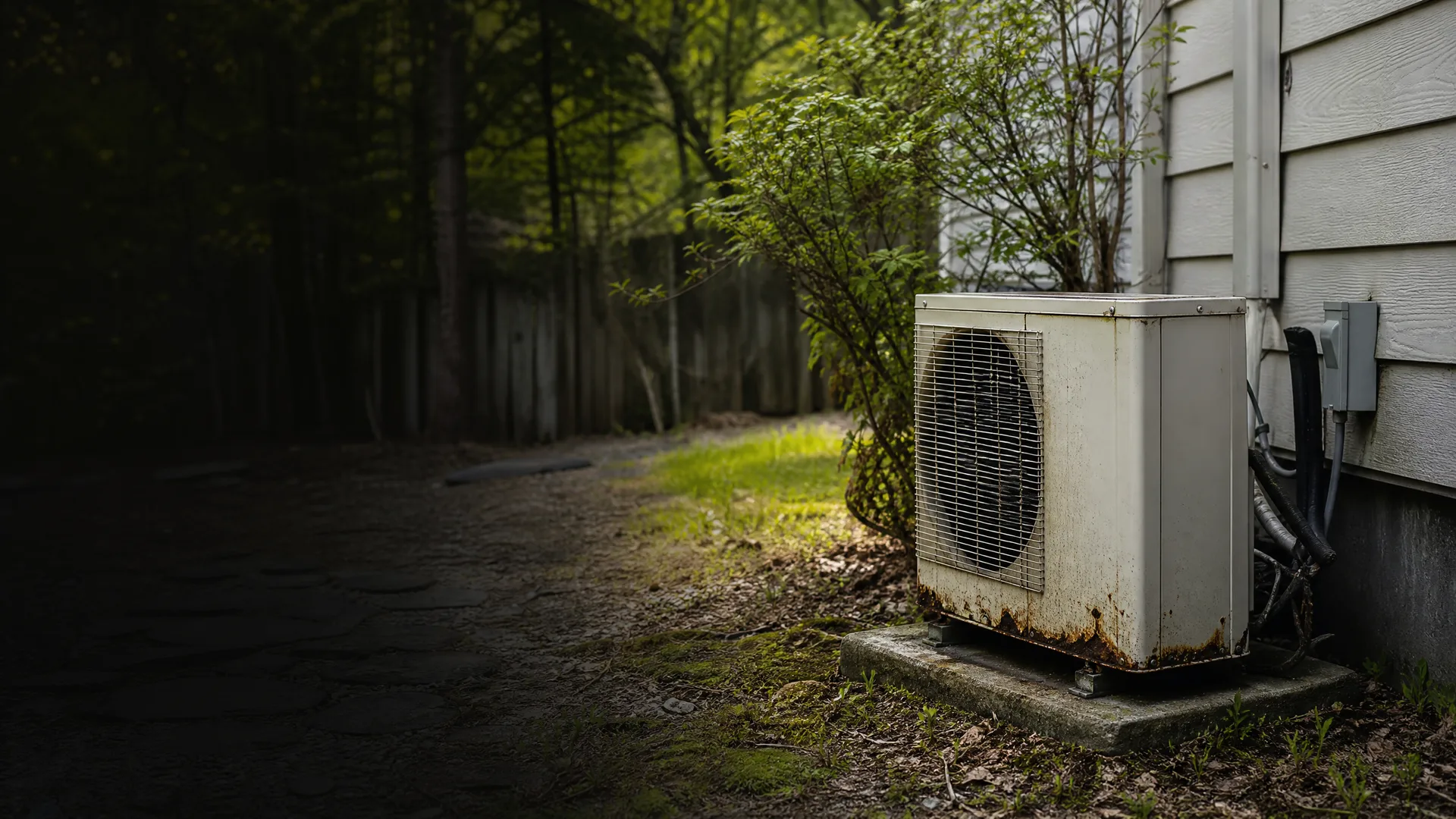
You walk out to the side yard to grab the hose bib and notice the outdoor unit still sitting there from last winter, rust creeping along its base where the metal meets the pad. It's one of those first warm spring days, the kind where the sun actually has some heat in it again. The unit isn't running. It doesn't need to be. But you crouch down and look closer at the rust line, thinking back to how many nights last winter you heard it straining, running long stretches without much to show for it. You make a note to ask someone about it before next winter, while the weather's still easy and there's no rush to decide anything.
On a cold morning, stand by the vent and feel what's coming out. If the heat pump is losing ground, the air feels cool rather than warm, and the gas furnace kicks on more than it used to, running longer stretches to catch up. You might notice the outdoor unit's fan working hard but the house still not warming evenly, some rooms colder than others. The thermostat may show the system cycling between "aux" or "emergency heat" and normal heat more than it did a winter or two ago. Left alone, a heat pump straining past its limit means the furnace does most of the real work anyway, and you're paying for two systems without getting the benefit of either one running the way it should.

A unit kept clear like this can still draw heat out of cold air without a fight. The fins stay open, airflow stays steady, and on a cold Idaho morning it's doing its part before the furnace has to step in.

Fins packed with debris choke off airflow before the cold even factors in. A unit in this shape struggles well above freezing, let alone on a January night, and the furnace ends up covering for it. A local installer who services this equipment every winter can tell you if it's worth saving or time for something new.
At 11.83 cents a kilowatt-hour, running the heat pump costs less here than in most states, so leaning on it hard before the furnace kicks in still makes sense on your bill. That's part of why a heat pump worth installing right matters, since every degree it covers on its own is cheap heat.
EIA-861 2025 statewide residential average





Summer here isn't the part that strains a heat pump, but it's the part that strains the condenser coil if nobody's looking at it. With a dew point averaging 42°F across June, July and August, the air is dry enough that the unit isn't fighting humidity the way a heat pump in a wetter state would. It's working against heat, not moisture, and that's an easier job on the coil. Where it catches up with you is months later, in January, when a coil that spent summer caked in dust can't pull heat from cold air as well as a clean one. A local contractor who services heat pumps through both seasons here knows to check that coil before winter, not just when it fails.
NASA POWER T2MDEW county cells weighted by homes
A heat pump that's already losing ground by the time it hits 25 or 30 degrees isn't going to get better on its own. If yours was sized or installed for a milder stretch of winter than Idaho actually gives you, the furnace is going to keep covering for it every cold snap from now on, and that's a bigger hit to your gas bill than it needs to be. Getting a new system sized right for how cold it actually gets where you live means the heat pump does more of the work on its own, longer into winter, before the furnace has to take over. A local contractor who installs these year after year knows what size and setup actually holds up through an Idaho winter, not just on paper. Sending the request puts that match in one set of hands instead of leaving you to sort through options yourself, and the next cold morning stops being something you have to think about.
Most houses in Idaho already have a gas furnace, which makes the heat pump the easier half of the two to add or replace. The furnace handles the cold snaps without strain, since burning gas doesn't lose output the way a heat pump does as the air gets colder. That split only works if the switchover point between the two is set correctly for what your heat pump can actually still deliver in the cold, not just a default number. Get that wrong and the furnace either kicks in too late, after the heat pump's already lost ground, or too early, and you're paying for gas heat on nights the heat pump could have handled fine.
A heat pump with no furnace behind it has to be sized and installed for Idaho's coldest stretch, not a mild one, or it'll fall behind right when you need it most. Some have a backup electric element built in for exactly that reason, kicking on when the compressor alone can't keep up. With power here running around 11.83 cents a kilowatt-hour, leaning on electric backup costs less than it would in most states, but it still draws more than the heat pump running on its own. Whether that setup makes sense for your house comes down to how it was sized in the first place.


A contractor checks your home's heat loss and ductwork before picking equipment.
The heat pump gets sized to still carry load near freezing.
A furnace is matched to it for the coldest nights.
A control is set to switch between them at the right temperature.
A heat pump in Idaho isn't too cold until somewhere around freezing, and even then it's still contributing, just not carrying the whole house anymore. That's the real answer: not a failure point, just a handoff to the furnace on the coldest nights. Getting that handoff set up right, sizing the heat pump correctly and matching it to a furnace that kicks in at the right temperature, is a job for someone who installs this pairing in Idaho winters every year, not somewhere milder. A local contractor who works on this equipment all season knows what tends to go wrong with heat pumps run in this kind of cold, and installs with that in mind instead of guessing from a spec sheet written for a different climate. You'll be connected with one contractor, licensed to do this work in your area, so you're not fielding calls from a handful of companies trying to win the job. Just the one who already knows what your winters ask of this equipment.

It's off your list after this