
What auxiliary heat means on an Idaho heat pump
Auxiliary heat is the backup heat strip inside your heat pump's air handler. It kicks in when the outdoor unit can't pull enough heat from the cold air by itself, usually on the coldest nights of an Idaho winter, or when the thermostat is set up several degrees at once and the system needs extra help to catch up fast. You'll see "aux" or "em heat" light up on the thermostat when this happens. Aux heat runs through electric resistance coils, the same idea as a space heater, so it draws a lot more power than the heat pump running alone. If it's running for more than short stretches, especially when the weather isn't that cold, something is off. That usually points to a thermostat setting that's not matched to the system, a heat pump that's low on refrigerant, or a unit that's struggling to keep up and needs a look from someone who knows it.





What it means for your house
Most homes around here heat with gas, so a heat pump running the way yours does is already the less common setup. When aux heat kicks on, you'll likely notice the air coming out of the vents feels hotter than usual, and if you've got a smart thermostat, it may even flag "aux heat" or "emergency heat" right on the display. Power here is cheap, so a night or two of the strips running on a cold snap isn't something to lose sleep over.
What's worth paying attention to is aux heat running when it shouldn't, on a mild afternoon or for days at a stretch. That usually points to the outdoor unit not doing its job, a stuck relay, low refrigerant, a failing sensor, something a contractor who works on heat pumps all winter would recognize fast. If that's what you're seeing, getting matched with a local, licensed contractor who handles this equipment regularly means someone shows up already knowing where to look, instead of guessing room by room through your house.


Why the outdoor unit struggles
A heat pump pulls heat out of outside air and moves it inside. The colder that air gets, the less heat there is to pull, and the harder the outdoor unit has to work to get it. Below a certain outdoor temperature, usually somewhere in the 30s, the unit alone can't keep up with the heat your house is losing. That's when the strip inside the air handler switches on to make up the difference. It's not a sign anything is broken. It's how the system is built to handle an Idaho cold snap.

What it does to your bill
The heat strip works by resistance heating, the same way a space heater or a toaster does. It doesn't move heat, it makes it, and that takes a lot more power than running the outdoor unit alone. Power here is cheap compared to a lot of places, so a night or two of aux heat during a hard freeze usually won't stand out. What's worth watching is aux heat running for days at a stretch, or kicking on when it's only in the 40s outside. That points to the heat pump not pulling its share of the load.
Normal Aux Use or a Sign Something's Wrong
Aux heat working normally
- It runs on the coldest mornings, usually when the outdoor temperature drops into the teens or lower.
- Vent air feels noticeably hotter than the usual heat pump warmth, because the strips heat it directly.
- It shuts off once the house reaches the thermostat setting or the outdoor unit can keep up again on its own.
- Short runs here and there through a cold snap are expected and not a sign anything is wrong.
- Since power is cheap here, a few hours of aux heat on a hard freeze won't stand out much on the bill.
Aux heat signaling a problem
- It runs for most of the day even when the outdoor temperature isn't especially low.
- The outdoor unit is iced over and not defrosting, so the system leans on the strips to compensate.
- The heat pump never seems to satisfy the thermostat on its own, even on mild days.
- A breaker for the air handler trips repeatedly, which points to the heat strips drawing more than they should.
- The thermostat shows an aux or emergency heat light staying on instead of cycling off.


Matched to your heat pump job
If aux heat is running more than it should, the reason is usually something a heat pump tech sees often and a general handyman doesn't. A low refrigerant charge, a failing defrost sensor, or a reversing valve stuck halfway all push the system into relying on the heat strips instead of the outdoor unit. Since most houses here run on gas, a repair tech in your area may not see heat pumps every day, which matters when the problem is specific to how these systems defrost and switch over. A local contractor who works on heat pumps through an Idaho winter has likely already run into whatever is going on with yours. Submitting your information here gets it to one licensed contractor near you, not several, so you're dealing with a single call back about your system instead of fielding competing pitches. If your heat pump is leaning on aux heat more than the cold outside can explain, that's worth having someone look at before another cold snap runs the strips again.
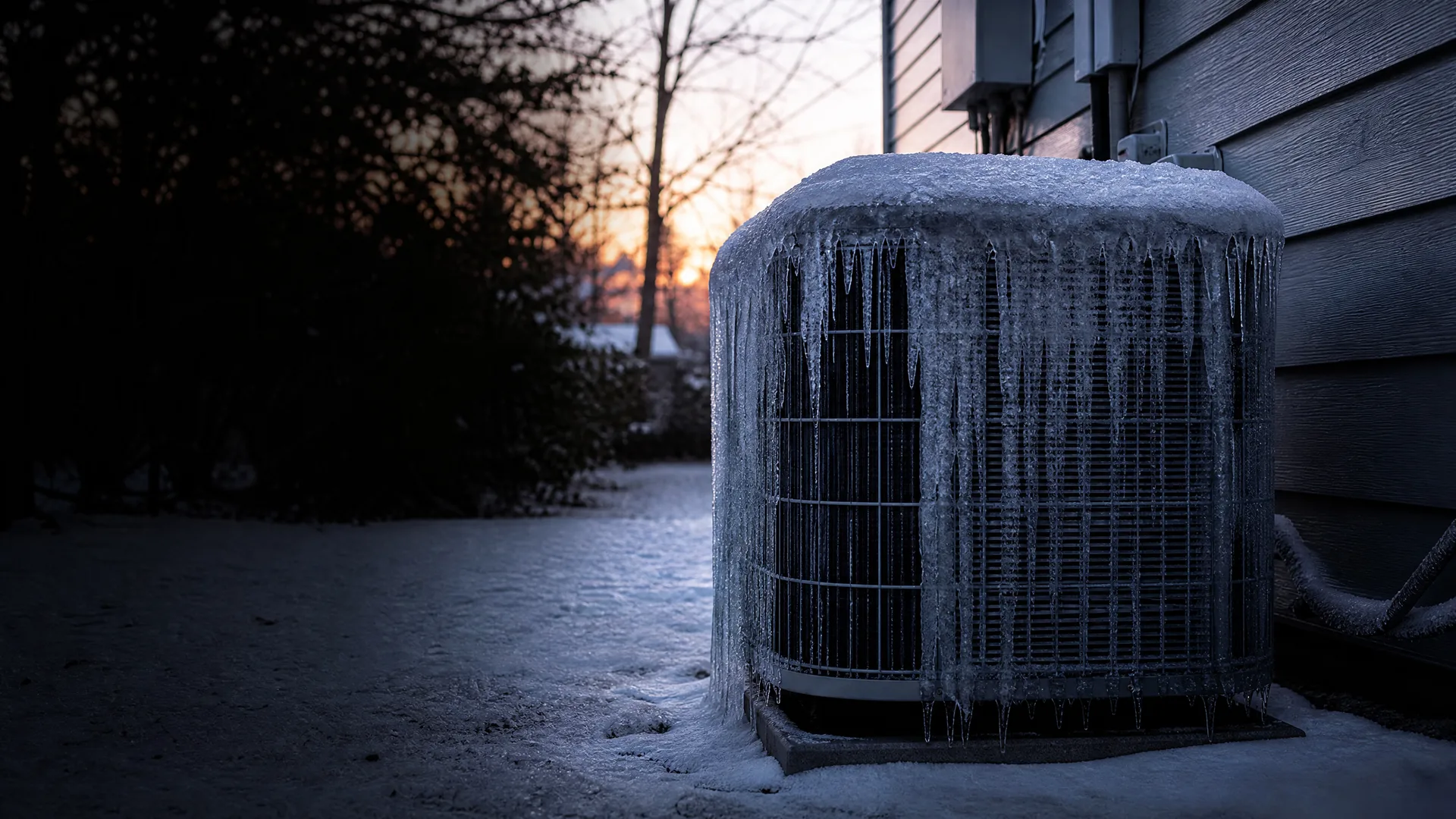
You walk out to get the newspaper and the side yard is still dark, that January cold that settles in before the sun's up. The outdoor unit sits there coated in ice, thick over the coils, down past the fan guard. You can hear it running, that faint hum, but nothing's moving air through it. Inside, the house is warm enough. the vents are running hot, hotter than you're used to from the heat pump alone. You stand there a second in your coat, breath fogging, looking at the ice and wondering if that's normal for a morning this cold or if something's stuck. The porch light catches the frost on the fence behind it. You go back inside before you've decided either way.
Power costs 11.83 cents per kilowatt-hour statewide
At that rate, those backup strips cost more per hour to run than the heat pump itself, since they heat with pure electricity instead of pulling it from the outdoor air. Power here is cheap compared to a lot of places, so a night or two of aux heat won't hit hard. It's aux heat running for days that adds up.
EIA-861 2025 statewide residential average
Where That Leaves You
- Aux heat is the heat pump backing itself up with electric strips, not a sign it's broken.
- It belongs on the coldest nights and should shut off once the outdoor unit can keep up again.
- Aux heat running on mild days or refusing to shut off usually points to a refrigerant or defrost problem.
- A heat pump tech who services this equipment all winter will recognize that pattern faster than a general handyman.
- One licensed local contractor gets matched to your situation, so you're not fielding calls from several companies.
- Catching the cause early keeps the heat strips from carrying more of the load than they're built for.
Aux heat by itself isn't a problem. It's the heat strips doing the job they were installed for, covering the hours when outside air gets too cold for the outdoor unit to pull enough heat out of it. What matters is whether it's coming on for that reason or for a different one. On a cold night, it should run for a while and shut off once the outdoor unit catches back up. If it's coming on when the morning isn't that cold, or it won't shut off at all, something upstream of the heat strips isn't working the way it should, and the strips are quietly covering for it.
That's the kind of pattern a heat pump tech picks up on faster than someone who works on furnaces and AC units in general. Idaho winters put these systems through real cold, and a contractor who's out servicing heat pumps all season has likely already seen your exact symptom on someone else's unit that week. Getting matched to one licensed local contractor, instead of a handful of companies competing for the job, means whoever shows up is already working from a good guess about what's going on, not starting from zero.
Left alone, a system leaning on aux heat more than it should will keep doing it, night after night, because the actual fault doesn't fix itself. Getting it looked at now means the heat pump goes back to carrying its share of the load, and the heat strips go back to being backup instead of the main event.





A heat pump pro near you
Your request goes to one pro, not a list of companies.
It costs nothing to send, and you don't have to hire anyone.