Get Idaho Heat Pump
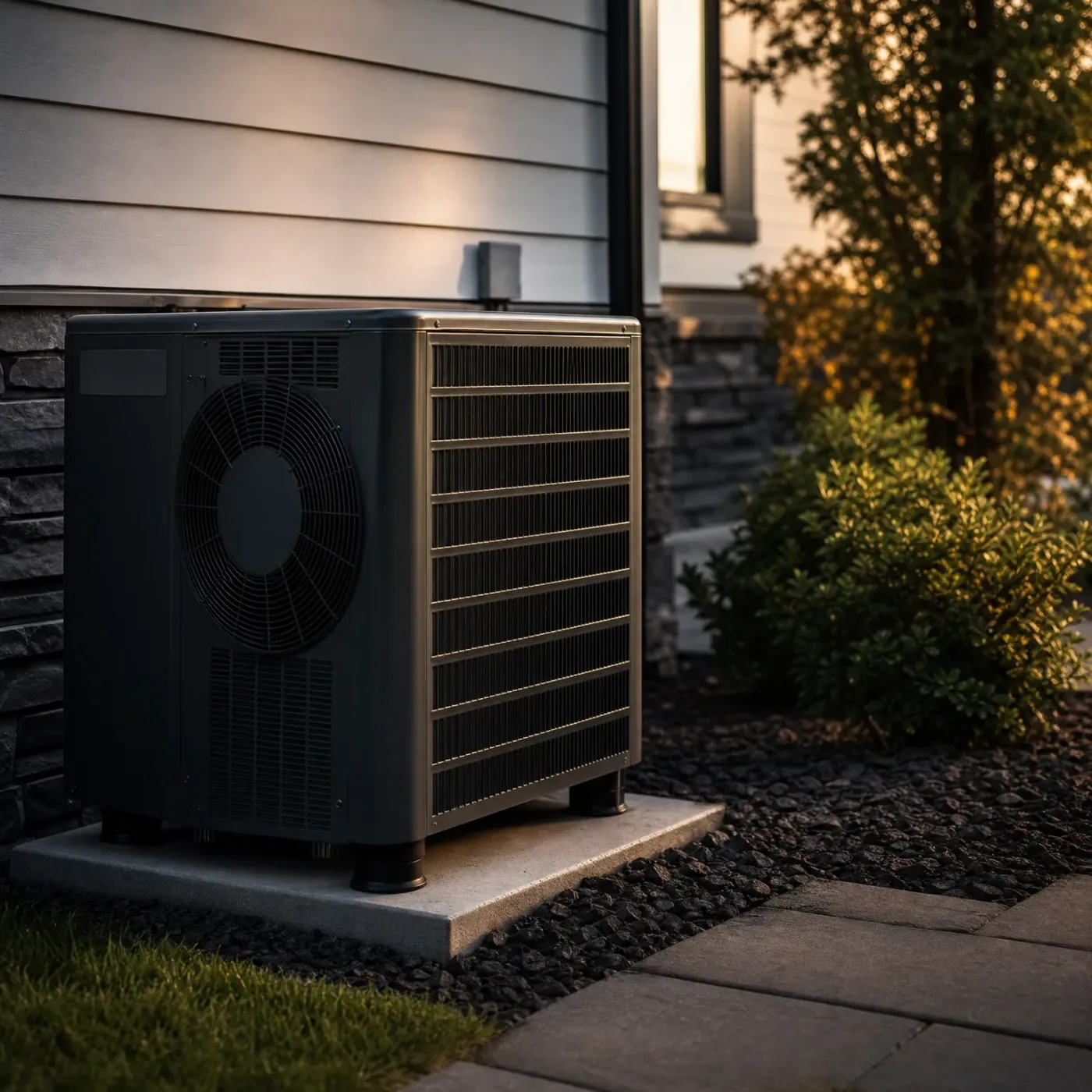
A dark outdoor heat pump unit with a round fan grille and finned coil sits on a concrete pad beside a house with horizontal siding and stone veneer, next to gravel, a paver walkway, grass and shrubs in warm low light.

Skip calling around

Why your heat pump bill jumps in an Idaho winter

Your heat pump works harder in an Idaho winter than it does keeping the house cool in summer, and that shows up on the bill. Most houses nearby heat with gas, so there's not always a neighbor to compare notes with. This page gets into why heat pumps draw more power once temperatures drop, and when a jump means something is actually wrong with the unit rather than just cold weather.

Skip the search

Your heat pump bill climbs in winter because the colder it gets outside, the harder the unit has to work to pull heat out of that air and push it into your house. Below freezing, most heat pumps lean on backup electric strip heat to keep up, and strip heat draws a lot more power than the compressor alone. Idaho winters can sit near or below freezing for weeks, so that backup heat may be running more than you'd guess. Frost on the outdoor unit adds to it too. The system has to pause and run a defrost cycle to clear it, and during that cycle it's using power without putting out much heat. None of this means the unit is broken. It's how a heat pump behaves in cold weather. But if your bill has jumped more than it used to for the same stretch of cold, something in the system, like a stuck defrost cycle or a failing component, may be forcing it to lean on backup heat more than it should.

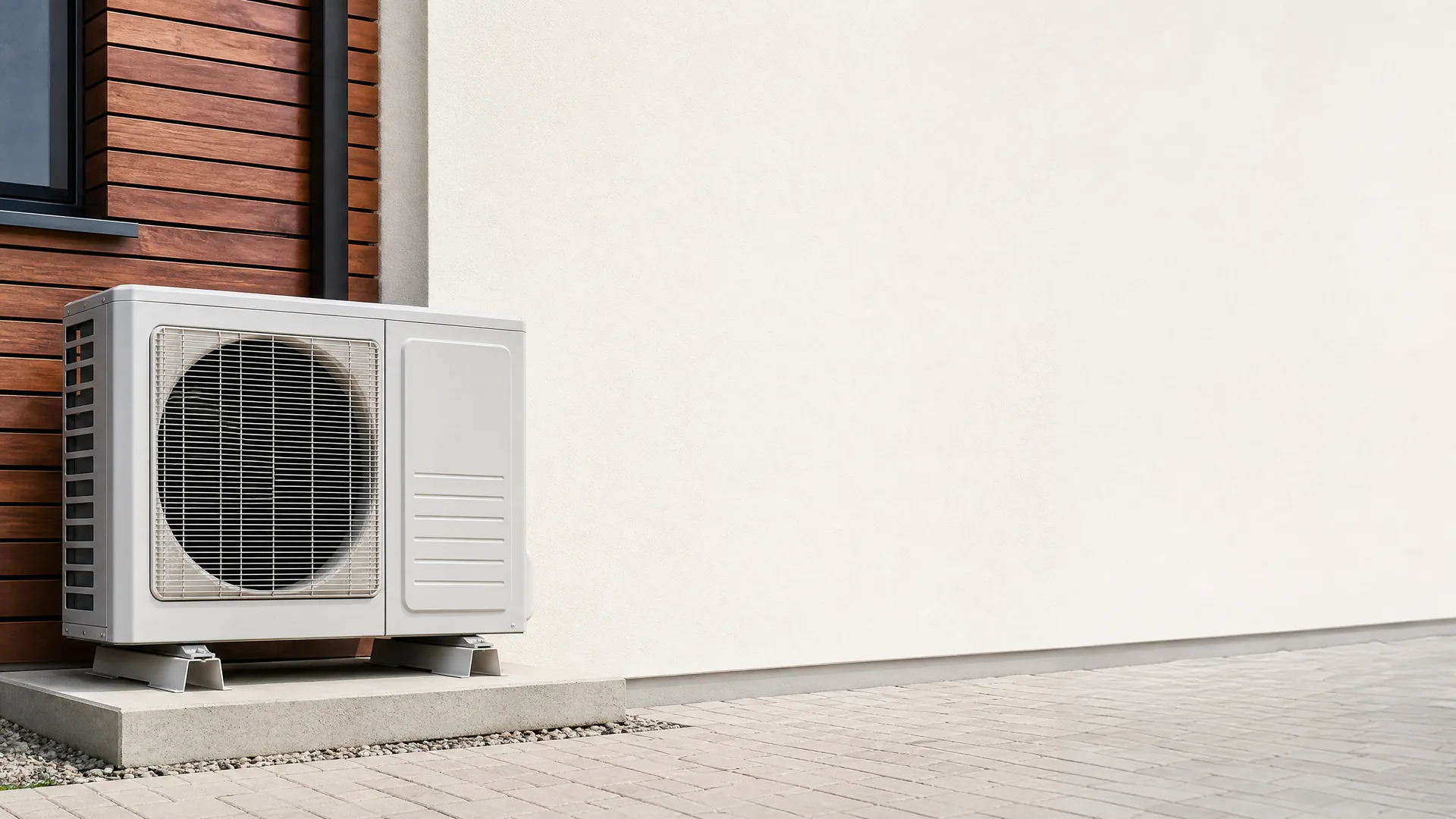
A white outdoor heat pump unit on a concrete pad beside a house with wood-slat siding and a large plain light-colored stucco wall, with paving stones in the foreground.

How defrost cycles add to the draw

When outside coil temperatures drop toward freezing, frost builds on it, and the unit has to stop and reverse itself to melt that frost off before it can keep heating. During that defrost cycle, the heat pump is running but not warming your house, and strip heat often kicks in to cover the gap. On a cold night this can happen several times an hour, and each cycle pulls power without adding comfort.

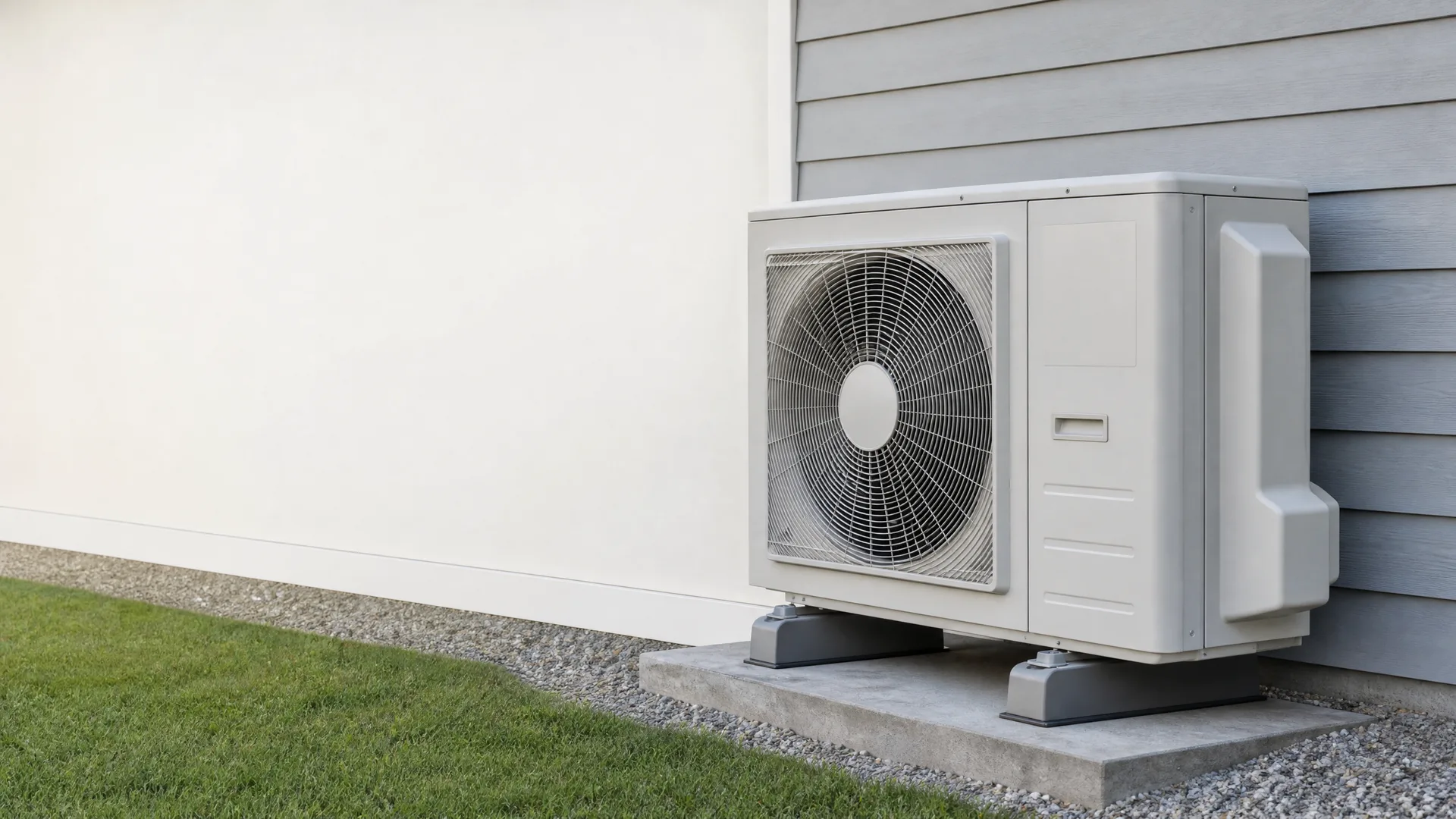
A white outdoor heat pump unit on rubber feet sits on a concrete pad beside a gray-sided house wall, next to a smooth light wall, gravel strip and lawn.

Why a clean filter matters more in winter

A heat pump moves a lot of air to do its job, more than a gas furnace does for the same square footage, because it's working with a smaller temperature difference. A dirty filter chokes that airflow, so the unit runs longer to move the same amount of heat. In summer this costs you comfort. In an Idaho winter, with strip heat ready to fill in, it costs you on the bill too.

A closed laptop and a ceramic mug of dark coffee sit on a wooden table, with a blurred kitchen counter, potted plant, wooden utensils and cutting boards, and a large window in the background.

What a bad month looks like in your house

If your heat pump is losing its fight with the cold, you'll feel it before you see the bill. The air coming out of the vents feels cool instead of warm, so the thermostat calls for heat more often and runs longer each time. You might notice the outdoor unit caked in frost for longer stretches, or hear it running when you're sure it just shut off. A unit that's low on refrigerant or has a failing reversing valve will lean on backup strip heat far more than it should, and that's the expensive part of your bill, not the compressor.

Sorting that out yourself means calling around, explaining the same problem to three different companies, and trying to judge quotes you don't have the background to compare. This page puts you in touch with one licensed contractor near you in Idaho instead, someone who works on heat pumps all winter and knows which part tends to go first in weather like this. You explain it once, to someone qualified to actually find it.

A gray upholstered sofa with a beige cushion and knit blanket beside a curtained window, with a white mug and a book on a dark wooden table in the foreground and a lit lamp in the background.
A gray outdoor condenser unit on a concrete pad beside a light-colored horizontal-siding house, with a disconnect box and refrigerant line on the wall, ornamental grasses and a shrub in mulch nearby, and a concrete patio in the foreground.

Running the way it should

A heat pump that's keeping up looks like this: sitting on its pad, coil clear, fan turning steady. It cycles on, runs for a while, and shuts off, and the air from your vents stays warm the whole time. No long runs that never seem to end, no backup heat kicking on every hour.

An outdoor air conditioning condenser unit on a concrete pad beside a house with horizontal lap siding, with a green shrub to the left and a wide concrete slab in the foreground.

Struggling against the cold

A unit that's lost ground looks ordinary from a few feet back, but a tech checking it would look for frost that hangs on past a defrost cycle, a coil that stays caked, or a fan that's slow to spin up. Any of those makes the unit pull more power to get the same heat into your house.

A gray-haired bearded man in a dark knit sweater sits on a light gray sofa in a sunlit living room, looking to his left, with a framed artwork, a potted palm, and a curtained glass door behind him.
A middle-aged man in a dark green sweater sits on a light grey sofa looking toward a sunlit window, with a wooden shelving unit, lamp and potted plants in the background.
A man in a dark green sweater sits on a light grey sofa in a sunlit living room, looking to his left, with a shelving unit, houseplants, framed art and a large window behind him.
A gray-haired bearded man in a dark green sweater sits on a light gray sofa in a sunlit living room with a potted plant, framed picture, and dark shelving in the background.
A gray outdoor condenser unit on a concrete pad beside a house with horizontal siding and stone veneer, with a disconnect box and refrigerant lines on the wall, surrounded by mulch, shrubs, and lawn.

Describe it once

Your request goes to one pro, not a list of companies.

Skip searching for a heat pump pro and answer a few questions instead.

Reach a local pro

You're not committing to anything by asking.

Is your heat pump actually struggling, or just working normally?

A normal cold snap draws more power, but a struggling unit tells on itself in other ways. Listen for the outdoor unit running almost nonstop, even in the middle of the night when the thermostat should have caught up. Check the vents: air that should feel warm comes out barely above room temperature. Look at the outdoor coil for a thick layer of frost or ice that never seems to clear between defrost cycles. If the unit has been low on refrigerant or the backup strip heat has been carrying the load for weeks without you knowing, that's not just a higher bill. Left alone, it's wear on a compressor that wasn't built to run that hard that long, and a repair that gets more expensive the later you catch it.

A dark bedroom at night with a rumpled duvet and pillows on a bed beside a rain-streaked, condensation-covered window with distant lights, a curtain, and a bedside lamp.

It's January, past ten at night, and the living room still hasn't caught up. You've got a sweatshirt on and a blanket over your knees on the couch, and the vent above the TV is blowing but you can't feel much come out of it. Outside the window the snow hasn't let up since afternoon, and you can hear the outdoor unit kick into that low hum again, running longer than it used to. You turn the thermostat up two more degrees out of habit, knowing it probably won't do much. The dog's curled up on the heat register instead of his bed. You make a note to check the breaker panel tomorrow, then pull the blanket up and wait it out.
Call a Tech or Wait It Out

Call for repair

  • The outdoor fan has seized or the coil stays caked in frost well past a normal defrost cycle, so the unit can't pull heat from the air at all.
  • A licensed tech checks the refrigerant charge and the reversing valve, two things a homeowner can't test with a thermometer and a guess.
  • You get one contractor who services heat pumps all winter in this kind of cold, not three different companies calling you back at once.
  • If the backup strip heat is running nonstop instead of kicking in during defrost only, something upstream is failing and needs a diagnosis, not a thermostat adjustment.
  • Booking a repair means one call and one visit instead of searching, phoning around, and explaining the same noise or warm-air complaint to every company you reach.
  • A unit that's short-cycling or tripping its breaker needs a tech's hands on the electrical side before it gets worse or shuts down outright in a cold snap.

Wait it out

  • If the air is still warm at the vents and the unit cycles on and off like it should, a cold week alone doesn't mean something's broken.
  • Letting a true defrost cycle run its course, ten minutes or so with steam coming off the coil, is normal and fixes itself without a call.
  • Waiting makes sense if the bill jump lines up with a stretch of nights near zero, since any heat pump draws more then.
  • Putting off a real problem means the backup strip heat keeps carrying more of the load, and that's the most expensive way to heat a house.
  • A failing part rarely fixes itself, so the longer a struggling unit runs, the more it can drag other components down with it.
  • If you're guessing instead of checking, you're choosing between a cold house now or a bigger repair later.
A two-story house with beige horizontal siding, stone veneer at the base, dark shingled gable roofs and a concrete walkway leading to the front door, set behind a patchy green lawn under a clear blue sky.

Idaho summers don't feel heavy the way they do back east. NOAA's averages put the summer dew point here at 42°F, which is dry air by any measure. Your heat pump barely has to work to wring moisture out of it, so cooling season is the easy season for that unit. All the strain you're seeing on your winter bill isn't a sign something's off with how the system handles summer. It's built and sized around mild, dry air half the year, then asked to pull heat out of cold air the other half. That gap in workload is the real story behind the bill, not the muggy afternoons you don't really get here.

NASA POWER T2MDEW county cells weighted by homes

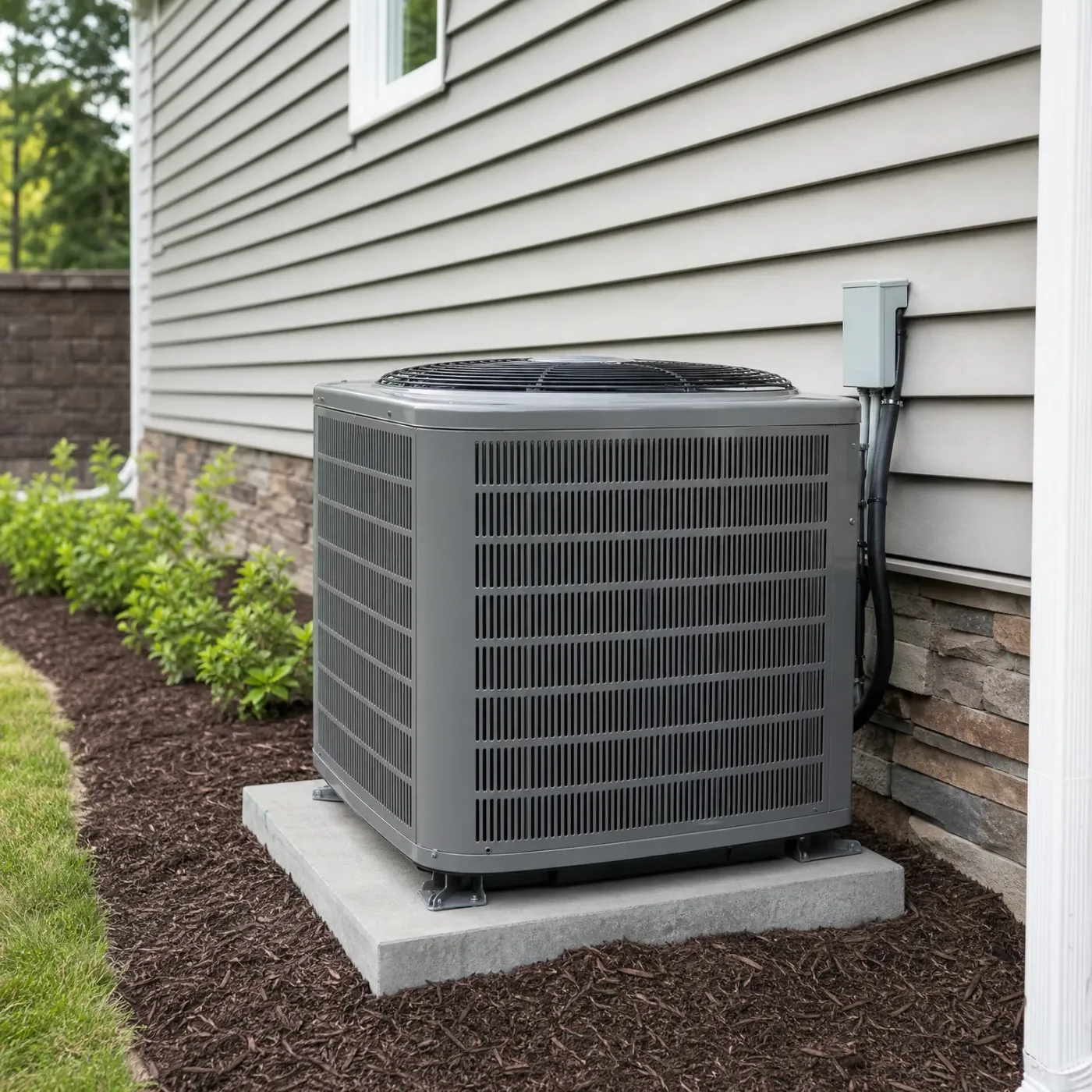
An outdoor air conditioner condenser unit on a concrete pad beside a house with beige vinyl siding, with a gray electrical disconnect box and insulated refrigerant lines on the wall and river rock to the right.
Before you get your heat pump repair
A gray outdoor condenser unit on a concrete pad beside a light green lap-sided house, with a wall-mounted electrical disconnect box, mulch bed with shrubs, river rock, and a paved walkway in the foreground.
After you get your heat pump repair

Power costs 11.83 cents per kilowatt-hour statewide

At 11.83 cents a kilowatt-hour, every hour your heat pump leans on strip heat costs more than the hour before it, because strip heat pulls far more power than the compressor alone. A unit that's struggling runs strip heat more often, and that's where the jump in your bill comes from.

EIA-861 2025 statewide residential average

Where that leaves you

  • Your heat pump bill climbs in an Idaho winter because cold air forces the compressor and strip heat to work harder, not because something's automatically broken.
  • A unit that's cycling normally, defrosting on schedule, and keeping warm air at the vents is doing what it's supposed to do in cold weather.
  • Nonstop running, cool air at the vents, or frost that never clears past a defrost cycle are signs worth a repair call, not just a cold snap.
  • A local tech who works on heat pumps all winter in this climate knows which parts tend to fail first and checks those before anything else.
  • Calling one licensed contractor who already knows this equipment beats fielding several companies trying to diagnose the same problem differently.
  • Knowing what a normal bill jump looks like versus a struggling unit is what tells you whether to wait it out or get someone out to look at it.

Cold weather alone explains most of what you're seeing on the bill. The compressor works harder below freezing, strip heat kicks in more, and defrost cycles add their own draw. None of that means anything's wrong. What tells you something is wrong is the unit itself: running nonstop with no real break, air at the vents that stays cool instead of warming up, frost on the coil that doesn't clear once the defrost cycle finishes. Those are the signs that separate a hard winter from a unit that's losing the fight.

If you're at that point, you're not stuck figuring it out alone or guessing at parts. A tech who works on heat pumps all winter in this climate has already seen what tends to go first, the reversing valve, a weak capacitor, a coil that's iced over for good reason, and checks those before anything else. That's the difference between someone learning your system on the spot and someone who's serviced a dozen like it this season.

You also don't need three companies in your driveway arguing about what's wrong. One licensed, local contractor can look at the unit, tell you straight whether it's a repair or just a cold month, and get it sorted without you having to retell the story five times to five different people. Where you stand now is simple: watch how the unit's actually running, not just what the bill says, and that tells you whether to ride out the cold or get someone out to look at it.

A gray outdoor heat pump unit mounted on a concrete pad beside a dark horizontal-slat clad house wall, with gravel ground and shrubs nearby.

No phone calls to make

Step 1 of 3: Equipment